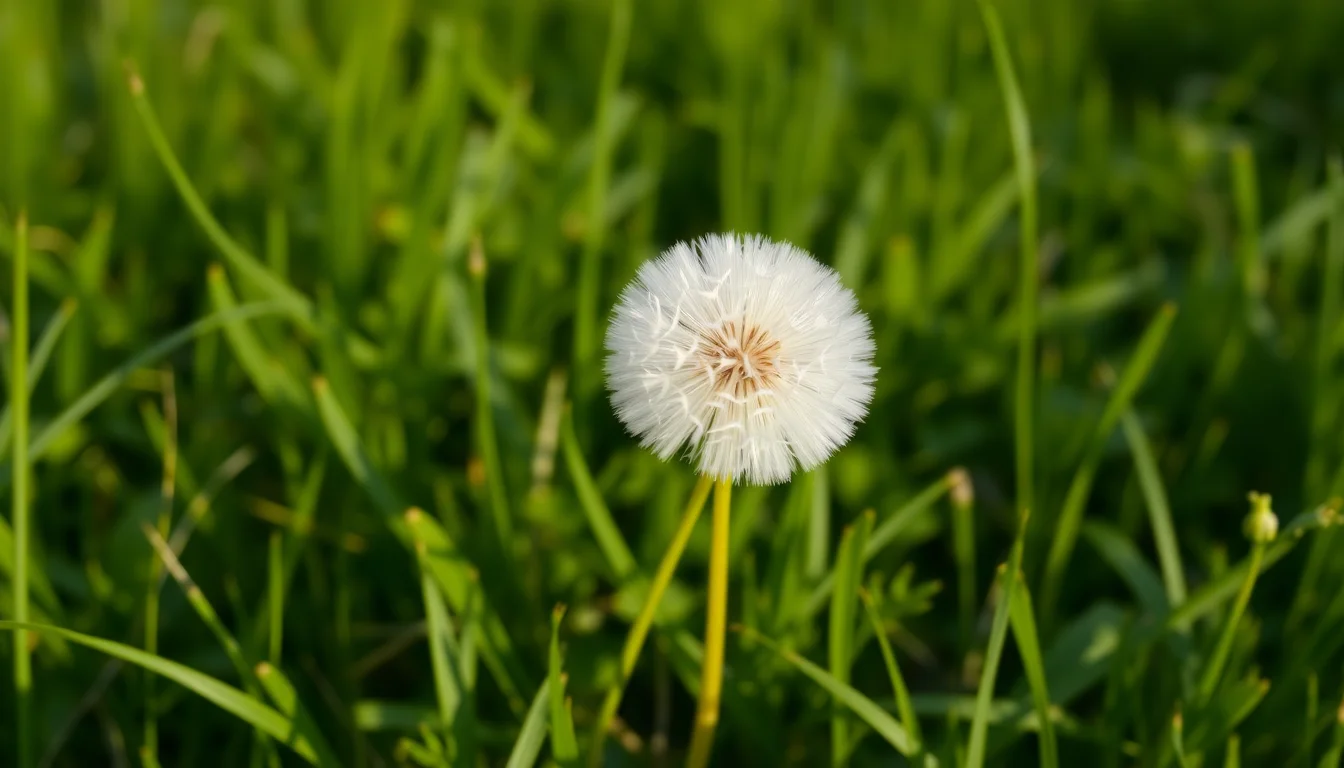
 Taraxacum officinale) flower and leaves" class="article-hero-image" alt="Wild edible plant guide" loading="lazy">
Dandelion Root Tea for the Liver: Benefits, Scientific Evidence, and How to Make It
2026-05-16
In a nutshell: Dandelion (Taraxacum officinale) has been used as a liver tonic in folk medicine for over 1,000 years. Modern science confirms several benefits: it stimulates bile production, protects liver cells, and has anti-inflammatory properties. But it's not a "miracle cure" — here's what the research actually says.
Table of Contents
- Dandelion and the liver: overview
- Nutritional profile: Dandelion (Taraxacum officinale)
- Liver benefits: what science says
- Comparison: dandelion vs other natural liver remedies
- How to make dandelion tea (roots and leaves)
- Dosage and consumption methods
- Side effects and contraindications
- Scientific sources
- FAQ
1. Dandelion and the Liver: Overview
Dandelion (Taraxacum officinale), or lion's tooth, is one of the most studied medicinal plants in the world. The name itself says it: from Greek tarassein (to disturb) and akos (remedy) — a "remedy for disturbances."
In European, Chinese, and Ayurvedic traditional medicine, dandelion has been used for over a millennium as:
- Cholagogue — stimulates bile production
- Depurative — "purifies" the blood and liver
- Diuretic — "the herb of piss" in French (pissenlit)
- Digestive — stimulates appetite and digestion
Modern science has begun studying dandelion seriously only in the last 30 years, and the results are promising — but with some caution.
2. Nutritional Profile: Dandelion (Taraxacum officinale)
Data per 100g of fresh leaves
| Nutrient | Per 100g | % RDA | Notes |
|---|---|---|---|
| Calories | 45 kcal | 2% | Light |
| Protein | 2.7 g | 5% | Good for a vegetable |
| Fiber | 3.5 g | 14% | |
| **Vitamin A (RAE)** | **1016 µg** | **113%** | 🔥 More than RDA |
| **Vitamin C** | **35 mg** | **39%** | |
| **Vitamin K** | **778 µg** | **648%** | 🔥 Exceptional |
| Vitamin E | 2.4 mg | 16% | Antioxidant |
| **Iron** | **3.1 mg** | **17%** | |
| **Calcium** | **187 mg** | **19%** | More than milk |
| **Potassium** | **397 mg** | **11%** | |
| **Magnesium** | **36 mg** | **9%** | |
| **Inulin** | **~12 g** | — | ✅ Prebiotic |
| **Taraxacin** | Trace | — | ✅ Active bitter principle |
| **Taraxasterol** | Trace | — | ✅ Anti-inflammatory |
3. Liver Benefits: What Science Says
✅ Confirmed Benefits (in vitro and animal studies)
#### 3.1 Stimulation of Bile Production (Cholagogue Effect)
- Mechanism: Taraxacin and taraxasterol stimulate cholangiocytes (bile duct cells) to produce more bile.
- Evidence: Studies on animal models (rats) show a 20-40% increase in bile production after dandelion extract administration.
- Human relevance: Folk medicine has used it for centuries. Specific human clinical studies are limited but consistent.
#### 3.2 Liver Cell Protection (Hepatoprotective Effect)
- Mechanism: Polyphenols and flavonoids in dandelion neutralize free radicals that damage liver cells.
- Evidence: Studies on rats with alcohol-induced liver damage show that dandelion extract reduces ALT and AST levels (liver damage markers) by 30-50%.
- Human relevance: Promising, but human clinical studies are needed.
#### 3.3 Anti-Inflammatory Effect
- Mechanism: Taraxasterol inhibits the NF-κB pathway, a key inflammatory pathway in the liver.
- Evidence: In vitro studies on human liver cells show significant reduction of inflammatory markers (TNF-α, IL-6).
#### 3.4 Diuretic Effect
- Mechanism: Dandelion increases urine production by 30-50% compared to water.
- Evidence: Clinical study on 17 human volunteers confirms significant diuretic effect.
- Human relevance: Confirmed in humans.
⚠️ Possible Benefits (preliminary evidence)
#### 3.5 Cholesterol Reduction
- Animal studies suggest dandelion may reduce total and LDL cholesterol. Mechanism: increased bile excretion (which contains cholesterol).
#### 3.6 Prebiotic Effect
- Inulin from roots feeds beneficial intestinal bacteria, improving gut health and indirectly liver health (gut-liver axis).
❌ What Dandelion Does NOT Do
- Does not "detox" the liver — the liver detoxifies itself. Dandelion can support its functions, but it is not a detoxifying drug.
- Does not cure hepatitis, cirrhosis, or fatty liver — no human clinical study demonstrates this.
- Does not replace a doctor — if you have liver problems, consult a hepatologist.
4. Comparison: Dandelion vs Other Natural Liver Remedies
| Remedy | Scientific evidence | Main effect | Safety |
|---|---|---|---|
| **Dandelion** | ⭐⭐⭐ (animals + 1 human study) | Cholagogue, diuretic | ✅ High |
| **Milk thistle** | ⭐⭐⭐⭐ (many human studies) | Hepatoprotective (silymarin) | ✅ High |
| **Hibiscus** | ⭐⭐⭐ (some human studies) | Anti-inflammatory, lipid-lowering | ✅ High |
| **Turmeric** | ⭐⭐⭐⭐ (many studies) | Anti-inflammatory, cholagogue | ✅ High |
| **Boldo** | ⭐⭐ (few studies) | Cholagogue | ⚠️ Moderate |
Note: Milk thistle (silymarin) remains the natural liver remedy with the most clinical evidence. Dandelion is an excellent complement, not a substitute.
5. How to Make Dandelion Tea
Root Tea (For the Liver)
Ingredients:
- 1-2 teaspoons dried and roasted dandelion root
- 250ml water
Preparation:
- Bring water to a boil
- Add dried roots
- Reduce heat and simmer 10-15 minutes (decoction)
- Strain and let cool slightly
- Flavor: Bitter, slightly roasted, with coffee notes
Recommended dosage: 1-3 cups per day, preferably before meals
Leaf Tea (Diuretic and Vitamin-Rich)
Ingredients:
- 1 tablespoon fresh leaves (or 1 teaspoon dried)
- 250ml water
Preparation:
- Pour boiling water over leaves
- Steep 10-15 minutes
- Strain
- Flavor: Delicate, slightly bitter, herbaceous
Recommended dosage: 2-3 cups per day
Dandelion Coffee (Caffeine-Free Alternative)
Ingredients:
- Dried and roasted dandelion roots
- Grinder (like for coffee)
Preparation:
- Roast roots in oven at 180°C for 20-30 minutes (until dark brown)
- Grind finely
- Prepare like coffee (in moka pot or filter)
- Flavor: Similar to coffee, but without caffeine. Bitter, roasted, with chocolate notes
6. Dosage and Consumption Methods
| Form | Dosage | Frequency | Notes |
|---|---|---|---|
| Root tea (decoction) | 1-2 tsp in 250ml | 1-3x/day | Before meals |
| Leaf tea (infusion) | 1 tbsp in 250ml | 2-3x/day | |
| Liquid extract | 2-4ml | 2-3x/day | Follow label |
| Capsules | 500mg | 2-3x/day | Follow label |
| Dandelion coffee | 1 cup | 1-2x/day | Caffeine-free |
Tip: Start with 1 cup per day and increase gradually. The diuretic effect is powerful — make sure to drink enough water.
7. Side Effects and Contraindications
⚠️ Don't Use If:
- Gallstones — dandelion stimulates bile production, which can push stones into bile ducts
- Bile duct obstruction — risk of cholangitis
- Allergy to Asteraceae — dandelion belongs to the daisy family
- Pregnancy and breastfeeding — insufficient data, avoid
- Taking medications — dandelion may interact with several drugs
💊 Drug Interactions
| Drug | Interaction |
|---|---|
| Diuretics | Additive effect — risk of dehydration |
| Anticoagulants | Vitamin K may reduce effectiveness |
| Lithium | Diuretic effect may increase lithium levels |
| Antibiotics | May reduce absorption |
| Diabetes medications | May lower blood sugar |
Disclaimer: This guide is for informational purposes only. Consult your doctor before using dandelion as a remedy, especially if you take medications or have medical conditions.
8. Scientific Sources
- Schütz K. et al. (2006) — "Taraxacum — a review on its phytochemical and pharmacological profile." Journal of Ethnopharmacology, 108(3), 313-327.
- You Y. et al. (2010) — "In vitro and in vivo hepatoprotective effects of the aqueous extract from Taraxacum officinale (dandelion) root against alcohol-induced oxidative stress." Food and Chemical Toxicology, 48(6), 1612-1617.
- Clare B.A. et al. (2009) — "The diuretic effect in human subjects of an extract of Taraxacum officinale folium over a single day." Journal of Alternative and Complementary Medicine, 15(8), 929-934.
- Xue Y. et al. (2020) — "Taraxasterol suppresses inflammation and hepatic fibrosis." Biomedicine & Pharmacotherapy, 126, 110047.
- USDA FoodData Central — Nutritional data for Taraxacum officinale.
Frequently Asked Questions (FAQ)
Does dandelion tea "detox" the liver?
Not exactly. The liver detoxifies itself. Dandelion supports liver functions by stimulating bile production and protecting liver cells from oxidative stress. It is not a detoxifying drug.
How much dandelion tea can I drink per day?
1-3 cups per day is considered safe for most adults. Start with 1 cup and increase gradually. The diuretic effect is powerful — drink enough water.
Is dandelion safe for people with liver problems?
Always consult your doctor first. If you have gallstones, bile duct obstruction, or active hepatitis, dandelion may be contraindicated. For mild fatty liver, it may be helpful, but medical advice is needed.
Can I harvest dandelion from my garden?
Yes, only if you don't use pesticides or herbicides. Dandelion grows everywhere, but harvest away from busy roads, dog areas, and potentially polluted areas. Gardens treated with chemicals should be avoided.
Does dandelion coffee contain caffeine?
No. Dandelion coffee is completely caffeine-free. The roasted flavor resembles coffee, but it has no stimulating effects. You can drink it in the evening too.
What is the difference between root tea and leaf tea?
- Roots: more effective for the liver (more taraxacin), bitter/roasted flavor, prepare as decoction (simmer 10-15 min) - Leaves: richer in vitamins and minerals, stronger diuretic effect, delicate flavor, prepare as infusion (boiling water, 10 min) --- Next article: Template D — "Purslane Greek Salad Recipe" (Tier 2, vol 180, KD 15)