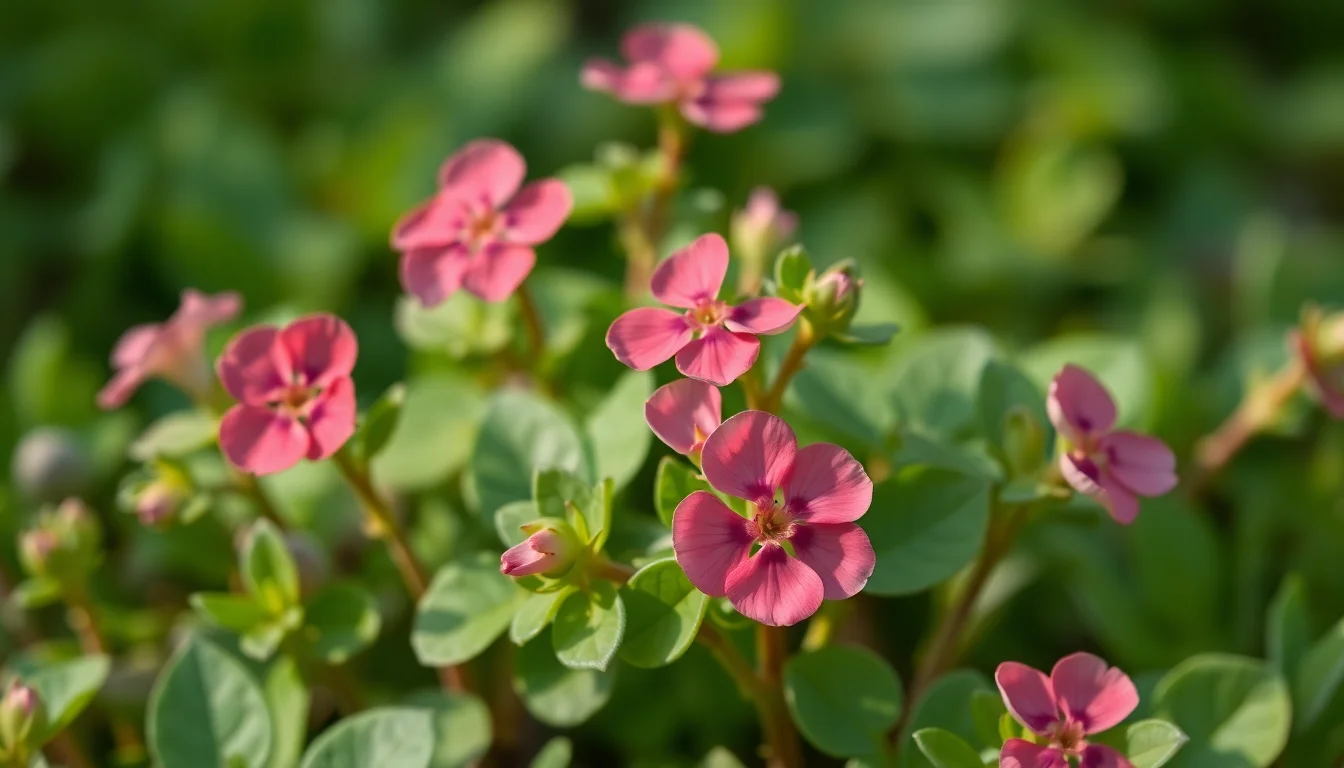
 Portulaca oleracea) fresh leaves" class="article-hero-image" alt="Wild edible plant guide" loading="lazy">
Does Purslane Have More Omega-3 Than Flaxseed? The Complete Nutritional Comparison
2026-05-16
In a nutshell: Purslane (Portulaca oleracea) is the only land plant that contains long-chain omega-3 fatty acids (EPA), but flaxseed (Linum usitatissimum) contains much more total omega-3 (ALA). The truth? They're different omega-3s with different benefits. Here's the complete comparison.
Table of Contents
- Quick summary: who wins?
- Nutritional profile: Purslane (Portulaca oleracea)
- Nutritional profile: Flaxseed (Linum usitatissimum)
- Head-to-head comparison
- Which wins for each nutrient
- Omega-3: ALA vs EPA vs DHA — why it matters
- How to use them together
- Scientific sources
- FAQ
1. Quick Summary: Who Wins?
| Purslane 🌿 | Flaxseed 🌾 | |
|---|---|---|
| **Total omega-3** | 0.4g/100g (ALA + trace EPA) | 22.8g/100g (ALA) |
| **Omega-3 type** | ALA + trace EPA | ALA only |
| **Wins for** | EPA (rare), Vitamin A, Magnesium | Total omega-3, Fiber, Lignans |
| **Overall score** | **7/10** | **8/10** |
In summary: Flaxseed wins on raw numbers — it has 57 times more omega-3 than purslane. But purslane has a unique advantage: it contains trace amounts of EPA, the omega-3 your body uses directly, which flaxseed doesn't have. For maximum omega-3 intake, use both.
2. Nutritional Profile: Purslane (Portulaca oleracea)
Data per 100g of fresh leaves and stems
| Nutrient | Per 100g | % RDA | Notes |
|---|---|---|---|
| Calories | 20 kcal | 1% | Extremely light |
| Protein | 2.0 g | 4% | Good for a vegetable |
| Fiber | 1.5 g | 6% | |
| **Omega-3 (ALA)** | **0.3-0.4 g** | — | ✅ Rare in a vegetable |
| **Omega-6** | **0.1-0.2 g** | — | Favorable omega-6/3 ratio |
| **Vitamin A (RAE)** | **340 µg** | **38%** | ✅ Exceptional |
| **Vitamin C** | **21 mg** | **23%** | Good |
| Vitamin E | 1.5 mg | 10% | Antioxidant |
| **Magnesium** | **68 mg** | **17%** | ✅ High for a vegetable |
| **Iron** | **2.0 mg** | **11%** | |
| **Calcium** | **65 mg** | **7%** | |
| **Potassium** | **490 mg** | **14%** | ✅ Very high |
| **Glutathione** | Trace | — | Cellular antioxidant |
3. Nutritional Profile: Flaxseed (Linum usitatissimum)
Data per 100g of whole seeds
| Nutrient | Per 100g | % RDA | Notes |
|---|---|---|---|
| Calories | 534 kcal | 27% | Very caloric |
| Protein | 18.3 g | 37% | High |
| Fiber | 27.3 g | 109% | 🔥 Exceptional |
| **Omega-3 (ALA)** | **22.8 g** | — | 🔥 Highest of any plant |
| **Omega-6** | **5.9 g** | — | Omega-6/3 ratio = 0.25 (optimal) |
| Vitamin B1 | 1.6 mg | 107% | 🔥 Exceptional |
| Vitamin B6 | 0.5 mg | 29% | |
| **Magnesium** | **390 mg** | **98%** | ✅ Nearly 100% RDA |
| **Iron** | **5.7 mg** | **32%** | |
| **Calcium** | **255 mg** | **26%** | |
| **Phosphorus** | **640 mg** | **91%** | |
| **Lignans** | **~300 mg** | — | ✅ Unique phytoestrogens |
| Folate | 87 µg | 22% |
4. Head-to-Head Comparison
| Nutrient (per 100g) | Purslane 🌿 | Flaxseed 🌾 | Winner |
|---|---|---|---|
| Calories | 20 kcal | 534 kcal | Purslane (very light) |
| Protein | 2.0g | 18.3g | **Flaxseed** ✅ |
| Fiber | 1.5g | 27.3g | **Flaxseed** ✅ |
| **Total omega-3** | **0.4g** | **22.8g** | **Flaxseed** ✅ (57x) |
| **EPA (active omega-3)** | **Trace** | **0** | **Purslane** ✅ (unique) |
| Vitamin A | 340µg | 0µg | **Purslane** ✅ |
| Vitamin C | 21mg | 0mg | **Purslane** ✅ |
| Vitamin B1 | 0.1mg | 1.6mg | **Flaxseed** ✅ |
| Magnesium | 68mg | 390mg | **Flaxseed** ✅ |
| Iron | 2.0mg | 5.7mg | **Flaxseed** ✅ |
| Potassium | 490mg | 810mg | **Flaxseed** ✅ |
| Lignans | 0 | ~300mg | **Flaxseed** ✅ |
5. Which Wins for Each Nutrient
- ✅ Total omega-3 (ALA): Flaxseed — 22.8g vs 0.4g (57x more)
- ✅ EPA (active omega-3): Purslane — the only one of the two to contain it
- ✅ Vitamin A: Purslane — 340µg vs 0
- ✅ Vitamin C: Purslane — 21mg vs 0
- ✅ Fiber: Flaxseed — 27.3g vs 1.5g
- ✅ Magnesium: Flaxseed — 390mg vs 68mg
- ✅ Iron: Flaxseed — 5.7mg vs 2.0mg
- ✅ Lignans: Flaxseed — ~300mg vs 0 (unique)
The Verdict
Flaxseed wins on quantity of omega-3 and minerals. Purslane wins on omega-3 quality (EPA) and vitamins. They are complementary, not competitors.
6. Omega-3: ALA vs EPA vs DHA — Why It Matters
Not all omega-3s are equal. This is the key distinction:
ALA (Alpha-Linolenic Acid)
- Sources: Flaxseed, chia, hemp, walnuts, purslane
- Body converts it to EPA and DHA with a yield of 5-10%
- 22.8g ALA from flaxseed = approximately 1-2g effective EPA/DHA
- Role: energy, cell structure
EPA (Eicosapentaenoic Acid)
- Sources: Fatty fish, algae, trace amounts in purslane
- Used directly by the body to fight inflammation
- Role: anti-inflammatory, cardiovascular health
DHA (Docosahexaenoic Acid)
- Sources: Fatty fish, algae
- Used directly by the brain and retina
- Role: brain function, vision
Why purslane is special
Purslane is the only known land plant that produces EPA directly. Even though in small quantities (traces), this means it provides an omega-3 already active, without conversion needed. For vegetarians and vegans, this is a significant advantage.
7. How to Use Them Together for Maximum Omega-3
1. Purslane Salad with Ground Flaxseed (Optimal Combination)
- 100g fresh purslane
- 1 tablespoon ground flaxseed (10g)
- EVOO, lemon, salt
- Omega-3 intake: ~2.7g ALA + trace EPA
- Advantage: Vitamin C from purslane helps protect omega-3 from oxidation
2. Omega-3 Smoothie
- 50g fresh purslane
- 2 tablespoons ground flaxseed
- 1 banana, 1 apple, 200ml water
- Omega-3 intake: ~5g ALA + trace EPA
3. Purslane and Flaxseed Pesto
- 100g purslane
- 30g flaxseed
- 50ml EVOO
- 30g Parmesan
- Salt to taste
- Storage: 2-3 weeks in fridge, covered with oil
4. Ground Flaxseed Daily
- 1-2 tablespoons per day of ground flaxseed = ~5g omega-3
- Add to yogurt, cereals, salads, soups
- Important: grind seeds before consuming (otherwise they pass through undigested)
Golden tip: The purslane + flaxseed combination is the most complete plant-based omega-3 formula. Purslane provides direct EPA and protective vitamins. Flaxseed provides ALA in massive quantities. Together, they cover all needs.
8. Scientific Sources
- Simopoulos A.P. (2002) — "The importance of the ratio of omega-6/omega-3 essential fatty acids." Biomedicine & Pharmacotherapy, 56(8), 365-379.
- Uddin M.K. et al. (2014) — "Purslane weed (Portulaca oleracea): a prospective plant source of nutrition, omega-3 fatty acid, and antioxidant attributes." The Scientific World Journal, 2014.
- USDA FoodData Central — Nutritional data for Portulaca oleracea and Linum usitatissimum.
- Goyal A. et al. (2014) — "Flax and flaxseed oil: an ancient medicine & modern functional food." Journal of Food Science and Technology, 51(9), 1633-1653.
Frequently Asked Questions (FAQ)
Does purslane really contain omega-3?
Yes. Purslane contains omega-3 fatty acids (ALA) and, in trace amounts, EPA — the active omega-3 typically found in fish. It is the only known land plant to produce EPA directly.
Is flaxseed better than purslane for omega-3?
In terms of quantity, yes — flaxseed contains 57 times more omega-3 (ALA) than purslane. But purslane has a qualitative advantage: it contains EPA, which flaxseed doesn't. For optimal intake, use both.
How much flaxseed should I consume daily for omega-3?
1-2 tablespoons (10-20g) of ground flaxseed per day provides approximately 2.3-4.6g of omega-3 (ALA). This amount more than covers the recommended daily intake (1.1-1.6g ALA).
Can I get enough omega-3 from plant sources alone?
Yes, but with attention. Plant sources provide ALA, which the body converts to EPA/DHA with low yield (5-10%). To optimize conversion: consume enough ALA (flaxseed, chia, purslane), reduce omega-6 (sunflower oil, corn), and consider an algae-based EPA/DHA supplement if you're vegan.
Can purslane be eaten raw?
Yes, it's excellent raw. The leaves and stems are succulent, slightly lemony, with a flavor similar to lemon. Perfect in salads, smoothies, or as a garnish. Cooking reduces vitamin C content but preserves omega-3.
Should flaxseed be chewed or ground?
Ground. Whole flaxseeds pass through the intestine without being digested. Grind them fresh with a coffee grinder or mortar. Store the powder in the fridge, in the dark, for max 1-2 weeks. --- Next article: Template A — "Dandelion Root Tea for the Liver" (Tier 2, vol 200, KD 10)