When to Harvest Dandelion Leaves for the Best Taste
2026-05-17
In a nutshell: The harvest timing radically changes the flavor of dandelion. Leaves before flowering (March-April) are tender and less bitter. After flowering, they become leathery and bitter. But for root coffee, autumn is the perfect time. Here's the complete timing guide.
Table of Contents
- Why timing is everything with dandelion
- Harvest calendar: leaves, flowers, roots
- How flavor changes through the season
- The 3 optimal harvest windows
- How to reduce bitterness in leaves
- Storage by season
- FAQ
1. Why Timing Is Everything with Dandelion
Dandelion (Taraxacum officinale) is a plant that changes its nutritional and flavor profile throughout the season. The harvest timing determines:
- Flavor: From delicate (spring) to intensely bitter (summer)
- Texture: From tender and succulent (spring) to leathery and fibrous (summer)
- Taraxacin content: Low in spring, high in summer (the plant produces more bitter principles to defend against predators)
- Inulin content (roots): Low in spring, high in autumn (the plant accumulates reserves for winter)
Golden rule: For leaves, harvest before flowering. For roots, harvest after the first autumn frost.
2. Harvest Calendar: Leaves, Flowers, Roots
🍃 LEAVES
| Period | Flavor | Texture | Best use |
|---|---|---|---|
| **February-March** (before flowering) | **Delicate, slightly bitter** | **Tender, succulent** | Raw salads, smoothies |
| **April** (start of flowering) | Moderately bitter | Tender | Salads, sautéed |
| **May-June** (flowering) | **Intensely bitter** | More leathery | Sautéed, decoctions |
| **July-August** (summer) | **Very bitter, acrid** | **Leathery, fibrous** | Only decoctions (tea) |
| **September-October** (autumn) | Moderately bitter | Tender (new growth) | Salads, sautéed |
| **November-December** | Delicate | Tender | Salads (if no frost) |
🌼 FLOWERS
| Period | State | Best use |
|---|---|---|
| **March-May** | Open flowers, yellow | Salads, fritters, syrup |
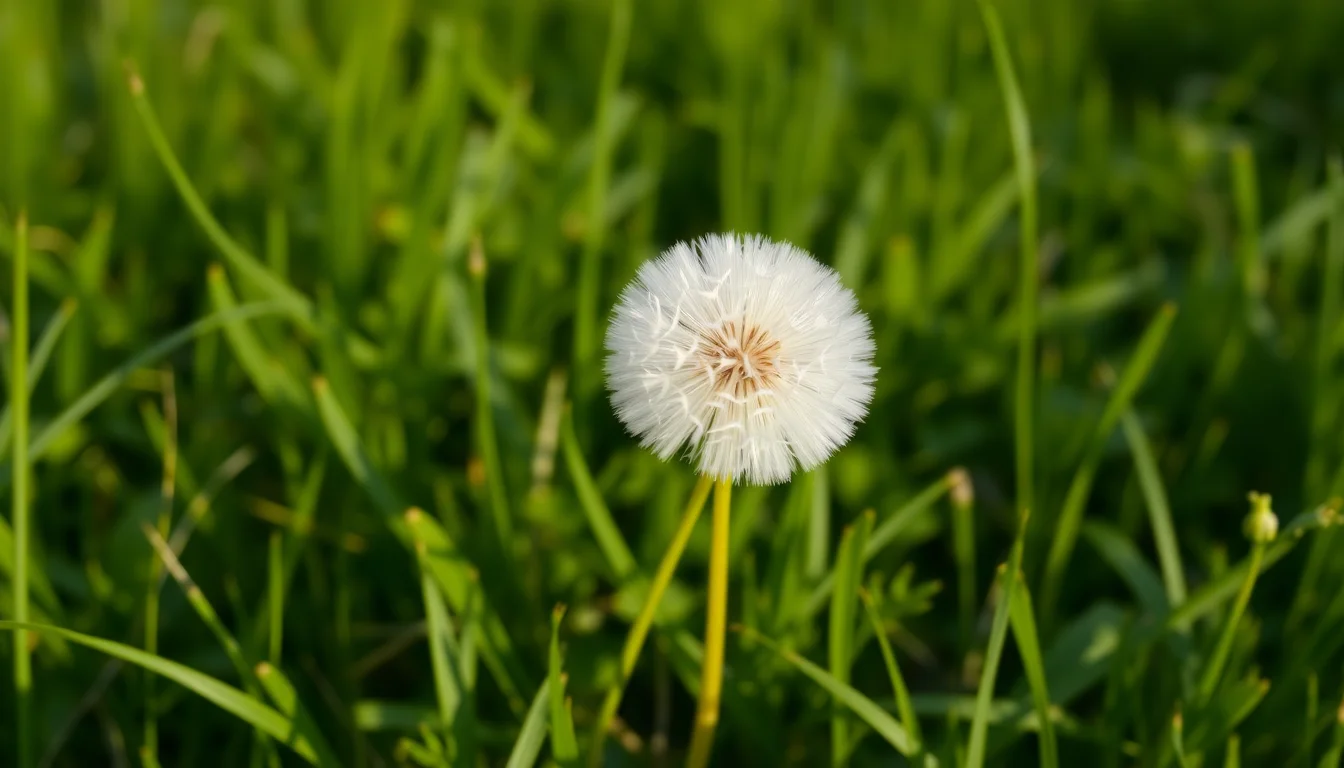
| **June** | Flowers turning to "puffballs" | Not edible |
🌿 ROOTS
| Period | Inulin content | Flavor | Best use |
|---|---|---|---|
| **Spring** | Low | Less intense | Less recommended |
| **Summer** | Medium | Bitter | Decoctions |
| **Autumn (after frost)** | **MAXIMUM** | **Intense, roasted** | **Dandelion coffee** ✅ |
| **Winter** | High | Intense | Decoctions, coffee |
3. How Flavor Changes Through the Season
Spring (February-April): The Golden Period
- Flavor: Delicate, slightly bitter, with sweet notes
- Why: The plant is in active growth, with low concentrations of taraxacin (bitter principle)
- Ideal use: Raw salads, smoothies, pesto
- Tip: Harvest leaves before flowers appear. As soon as you see the flower stalk emerging, the leaves start to become bitter.
May-June: Flowering
- Flavor: Moderately bitter, with herbaceous notes
- Why: The plant is investing energy in flowers, and leaves become more leathery
- Ideal use: Sautéed, soups, decoctions
- Tip: If you want leaves for salads, look for plants in the shade — they are less bitter than those in full sun
July-August: Summer (Avoid for Leaves)
- Flavor: Very bitter, acrid, almost unpleasant
- Why: Heat and drought stimulate taraxacin production (defense against predators)
- Ideal use: Only decoctions and tea (not salads)
- Tip: Don't harvest summer leaves for culinary use. Too bitter.
September-October: Second Spring
- Flavor: Moderately bitter, more delicate than summer
- Why: Plants produce new autumn leaves, more tender
- Ideal use: Salads, sautéed, decoctions
- Tip: Autumn is the second golden period for leaves. And the perfect period for roots.
November-December: Winter
- Flavor: Delicate, almost sweet (if no frost)
- Why: Low temperatures concentrate sugars in the leaves
- Ideal use: Salads (if available)
- Tip: In areas with mild winters (coasts, Southern Italy), dandelion continues to produce leaves all winter.
4. The 3 Optimal Harvest Windows
🥇 WINDOW #1: Early Spring (February-March)
For: Those who want tender, slightly bitter leaves for raw salads
How to harvest: Take the innermost leaves of the rosette (the youngest and most tender). Leave the outer leaves to allow the plant to continue growing.
Quantity: Max 1/3 of leaves per plant
🥈 WINDOW #2: Autumn (September-October)
For: Those who want leaves for salads AND roots for coffee
How to harvest: New autumn leaves are often larger and more tender than spring ones. Roots are loaded with inulin.
Tip: After the first autumn frost, roots are at maximum inulin content. Dig with a spade, wash, and roast.
🥉 WINDOW #3: Spring Flowers (March-May)
For: Those who want flowers for syrup, fritters, or salad
How to harvest: Pick flowers just open, in the morning. Avoid wilted flowers or those turning into "puffballs."
Tip: Flowers have a sweet, honey-like flavor. They are a precious ingredient.
5. How to Reduce Bitterness in Leaves
If you harvested leaves a bit too late and they're too bitter, here's how to reduce it:
Method 1: Boiling (Most Effective)
- Bring water to a boil
- Add leaves
- Boil 2-3 minutes
- Drain and rinse in cold water
- Repeat 1-2 times if necessary
- Reduces bitterness by 50-70%
Method 2: Salt Water Soak
- Soak leaves in salted water (1 tablespoon salt per liter) for 30-60 minutes
- Drain and rinse
- Reduces bitterness by 30-40%
Method 3: Acidic Dressing
- Dress leaves with plenty of lemon or vinegar
- The acidity balances the bitterness
- Doesn't reduce bitterness but masks it
Method 4: Combination with Sweet Ingredients
- Mix bitter leaves with sweet ingredients (apples, carrots, raisins)
- The sweetness balances the bitterness
- Ideal for mixed salads
6. Storage by Season
Fresh Leaves
- Fridge: 3-5 days, wrapped in damp cloth
- Freezing: 6-12 months (blanch 30 seconds first)
- Drying: 12+ months (in shade, ventilated)
Roots
- Fresh: 1-2 weeks in fridge
- Dried/roasted: 12+ months in airtight jar
- Dandelion coffee: 6+ months in jar
Flowers
- Fresh: 1-2 days in fridge
- Syrup: 6+ months in fridge
- Dried: 6+ months in jar
Frequently Asked Questions (FAQ)
When is the best time to harvest dandelion leaves?
Before flowering (February-March) for raw salads. Leaves are tender and less bitter. After flowering, they become leathery and bitter.
Are summer dandelion leaves edible?
Yes, but they are very bitter and leathery. Not ideal for raw salads. You can use them for decoctions or tea, or boil them 2-3 times to reduce bitterness.
How do I know if leaves are too bitter?
Taste a raw leaf. If the bitterness is too intense for your palate, the leaf is too mature. Ideal leaves have a delicate bitterness, not aggressive.
Can dandelion roots be eaten?
Yes. Roots are used primarily for dandelion coffee (roasted and ground). They are also used in decoctions for the liver. Autumn roots are the richest in inulin.
Is winter dandelion edible?
Yes, if it doesn't freeze. In areas with mild winters, dandelion continues to produce leaves all winter. Winter leaves are often sweeter (low temperatures concentrate sugars).
Can I harvest dandelion after rain?
Yes, it's the ideal time. Leaves are more turgid and less bitter after a good rain. Also, rain washes away dust and insects. --- Next article: Template C — "Foraging Calendar Mediterranean" (Tier 3, vol 90, KD 8)