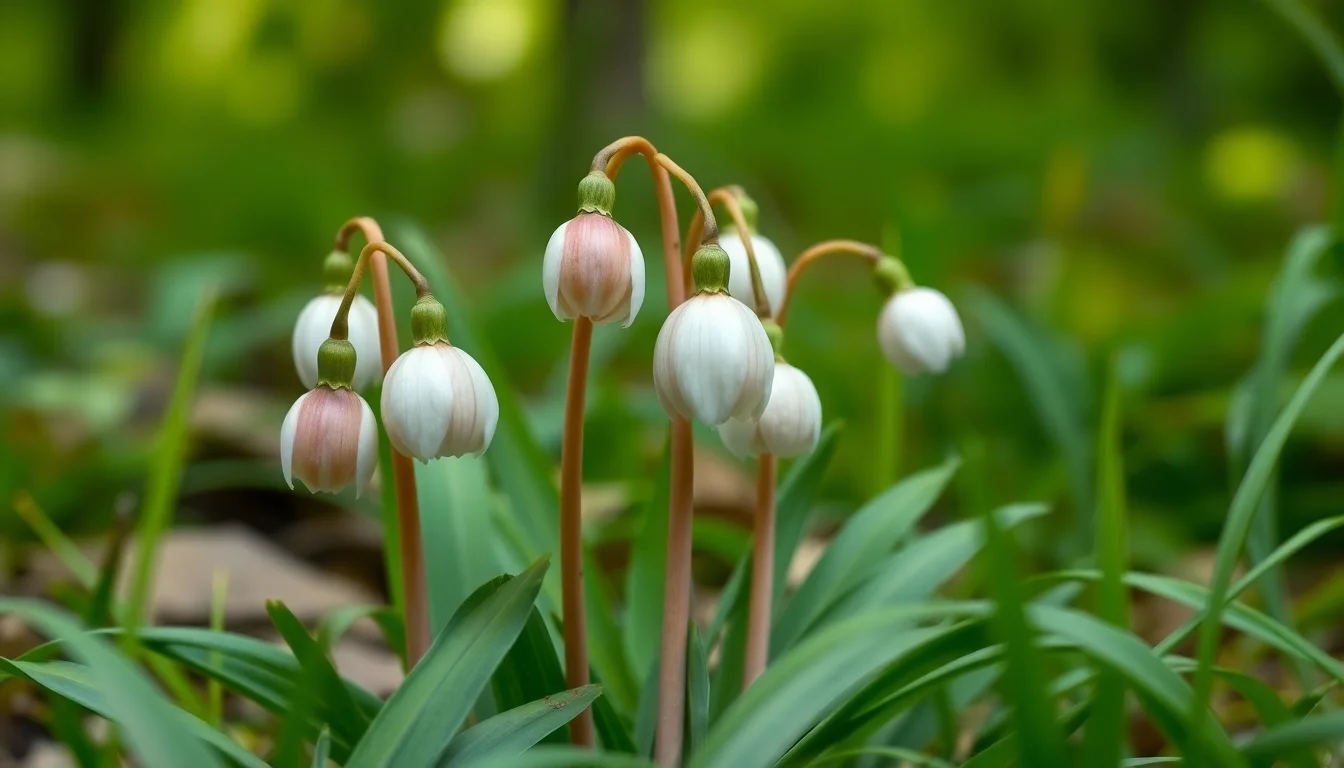
Where to Find Wild Garlic Near Florence: Guide to the Best Foraging Spots
2026-05-15
In a nutshell: The Florence area is excellent for wild garlic (Allium ursinum). The best spots are the moist woodlands of the Florentine Apennines, the Pratomagno range, Vallombrosa, and woods along the Arno and its tributaries. Optimal period: March-May. Here's where to go, how to harvest, and what to know.
Table of Contents
- Why the Florence area is ideal for wild garlic
- The 5 best places to harvest wild garlic near Florence
- Optimal period by zone
- How to harvest safely (rules and precautions)
- Recommended itineraries
- What to do with your wild garlic harvest
- FAQ
1. Why the Florence Area Is Ideal for Wild Garlic
Tuscany, and the Florence area in particular, offers perfect conditions for wild garlic:
- Mild climate — winters not too harsh, wet springs
- Rich deciduous forests — oak, beech, chestnut groves with humus-rich soil
- Dense water network — Arno, Sieve, and dozens of streams and creeks
- Variable altitude — from 50m (hills) to 1500m (Apennines), extending the season
- Calcareous soils — wild garlic prefers these
Florentine wild garlic is particularly prized for its delicate flavor, due to the calcareous soil and mild climate. The woods around Florence are among the richest in Italy for wild garlic density.
2. The 5 Best Places to Harvest Wild Garlic Near Florence
🏆 1. Vallombrosa (Reggello) — THE BEST
- Distance from Florence: ~30 km (45 min by car)
- Altitude: 900-1400 m
- Optimal period: April-June (later at higher altitude)
- Habitat: Ancient beech forests, mixed spruce-beech woods, near streams
- Density: 🔥🔥🔥 Very high — kilometers of dense colonies
- Access: Easy — parking at Vallombrosa monastery, marked trails
- Tip: Head up the trail toward Passo della Consuma. The woods north of the monastery are the richest.
Note: Vallombrosa is a Nature Reserve. Harvesting small quantities for personal use is generally tolerated, but never uproot plants and respect the indications of the Forest Corps.
🥈 2. Pratomagno (Loro Ciuffenna, Castel Focognano)
- Distance from Florence: ~40 km (50 min by car)
- Altitude: 600-1400 m
- Optimal period: April-May
- Habitat: Mixed woods, north-facing slopes, near springs
- Density: 🔥🔥🔥 Very high
- Access: Medium — CAI trails, some sections require hiking boots
- Tip: The area between Passo della Consuma and the Casentino is particularly rich. Look in shady woods on north-facing slopes.
🥉 3. Casentino Forests (Poppi, Bibbiena)
- Distance from Florence: ~60 km (1h by car)
- Altitude: 400-1200 m
- Optimal period: April-May
- Habitat: Monumental beech forests, Foreste Casentinesi National Park
- Density: 🔥🔥🔥 Very high
- Access: Easy — forest roads, well-marked CAI trails
- Tip: The beech forests of the National Park are among the most beautiful in Italy. Wild garlic abounds in the moist valley bottoms. Note: in the National Park, harvesting is regulated — check with park offices.
4. Montespertoli and Florentine Hills
- Distance from Florence: ~20 km (30 min by car)
- Altitude: 100-400 m
- Optimal period: March-April (earlier due to low altitude)
- Habitat: Oak and hornbeam woods, vineyard edges
- Density: 🔥🔥 Medium
- Access: Easy — dirt roads, local trails
- Tip: The woods between San Casciano in Val di Pesa and Montespertoli are less frequented and can be surprisingly rich. Look in moist valley bottoms.
5. Lake Bilancino and Mugello
- Distance from Florence: ~35 km (40 min by car)
- Altitude: 200-500 m
- Optimal period: March-April
- Habitat: Riparian woods along the lake and the Sieve stream
- Density: 🔥🔥 Medium-high
- Access: Easy — picnic areas, trails along the lake
- Tip: The wet area around Lake Bilancino and along the Sieve is rich in wild garlic. Ideal for a family outing.
3. Optimal Period by Zone
| Zone | Altitude | Season start | Peak | Season end |
|---|---|---|---|---|
| Florentine hills (Montespertoli) | 100-400m | Early March | March-April | Late April |
| Mugello (Lake Bilancino) | 200-500m | Mid-March | April | Early May |
| Pratomagno (lower) | 600-900m | April | April-May | Late May |
| Vallombrosa | 900-1400m | April | May | June |
| Casentino Forests | 400-1200m | April | April-May | Late May |
Trick: If you want to harvest all spring, start from the low hills in March and work your way up to the Apennines as the season progresses.
4. How to Harvest Safely
Before You Go
- Bring: basket or cloth bag, knife, identification guide (or this page on your phone), water, hiking boots
- Check the weather — don't harvest in the rain (wet plants don't store well)
- Inform yourself — in national parks and reserves, harvesting may be regulated or prohibited
During Harvest
- Identify with certainty — use the smell test on every plant
- Pick only leaves — never uproot the whole plant. Leave the bulb in the ground.
- Take max 2-3 leaves per plant — preserve the population
- Don't take everything — leave at least 80% of the population
- Avoid polluted areas — away from busy roads, treated fields, landfills
After Harvest
- Wash thoroughly — 3 times in cold water
- Dry — salad spinner or spread on a cloth
- Consume within 3-5 days — or preserve (pesto, freezing, drying)
Legal Rules
- Private property: always ask the landowner for permission
- National Parks: harvesting generally prohibited or limited to small quantities for personal use. Check with park offices.
- Nature Reserves: often prohibited. Check with the managing authority.
- Personal use quantities: in Italy, harvesting for personal use is generally permitted in public forests, within reasonable limits (max 2-3 kg).
5. Recommended Itineraries
Itinerary 1: Day Trip to Vallombrosa (Easy)
- Duration: 3-4 hours
- Difficulty: Easy
- Route: Monastery parking → Trail to Passo della Consuma (2km) → return
- Harvesting: Along the trail, in moist woods to the north
- Tip: Bring a picnic — the equipped area near the monastery is perfect for lunch with your freshly harvested wild garlic
Itinerary 2: Pratomagno from Loro Ciuffenna (Medium)
- Duration: 4-5 hours
- Difficulty: Medium
- Route: Loro Ciuffenna → CAI trail toward Pratomagno (4-5km)
- Harvesting: In mixed woods along the trail, especially in shady sections
- Tip: The Balze waterfalls are a beautiful stop. Harvest on the way back.
Itinerary 3: Casentino Forests from Poppi (Easy-Medium)
- Duration: 3-4 hours
- Difficulty: Easy-Medium
- Route: Poppi → Forest road toward Passo della Calla → surrounding woods
- Harvesting: In woods along the forest road
- Tip: Poppi Castle is a perfect cultural stop before or after harvesting.
6. What to Do with Your Wild Garlic Harvest
Wild Garlic Pesto (Recipe #1)
- 100g fresh leaves
- 50g pine nuts (or walnuts)
- 80ml EVOO
- 30g grated Parmesan
- Salt to taste
- Method: Blend everything, store in jar covered with oil (2-3 weeks in fridge)
Sautéed Wild Garlic
- Heat oil in pan
- Add washed leaves
- Sauté 2-3 minutes
- Season with salt and lemon
- Perfect with: eggs, pasta, toast
Wild Garlic Butter
- 100g softened butter
- 30g finely chopped leaves
- Salt to taste
- Method: Mix, form a roll in parchment paper, refrigerate. Slice and use on meat, fish, bread.
Long-Term Storage
- Freezing: Washed and dried leaves, in bags (6-12 months)
- Pesto: In sterilized jars, covered with oil (3-6 months in fridge)
- Oil: Leaves in EVOO, fridge (2-3 months)
Frequently Asked Questions (FAQ)
Can I harvest wild garlic in national parks?
Generally no, or only in very small quantities for personal use. In the Foreste Casentinesi National Park, plant harvesting is regulated. Check with park offices or the Forest Corps. In nature reserves, harvesting is often completely prohibited.
How much wild garlic can I legally harvest?
In Italy, harvesting for personal use is generally permitted in public forests, within reasonable limits. There is no precise legal quantity, but 2-3 kg is considered a reasonable limit for personal use. For larger quantities, authorization may be needed.
How do I tell wild garlic from lily of the valley?
The smell test is infallible. Crush a leaf: if you smell garlic, it's Allium ursinum. If there's no smell, don't pick. See the [complete identification guide](wild-garlic-vs-lily-of-valley.html) for all details.
Is wild garlic from Florence different from other regions?
The flavor varies slightly based on soil and climate. Wild garlic from Tuscan hills (calcareous soil) tends to have a more delicate flavor than that from more acidic soils. High-altitude garlic (Vallombrosa, Casentino) is often more intense.
Can I plant wild garlic in my garden?
Yes. Bulbs can be planted in autumn (October-November) in a shady, moist spot. It grows well under trees and spreads quickly. Warning: it can become invasive.
When is the best time to harvest near Florence?
- Hills (100-400m): March-April - Mid-mountain (400-900m): April-May - Mountain (900-1400m): May-June In general, the second half of April is the golden period for most areas around Florence. --- Next article: Template A — "Purslane vs Flaxseed Omega-3" (Tier 2, vol 120, KD 8)