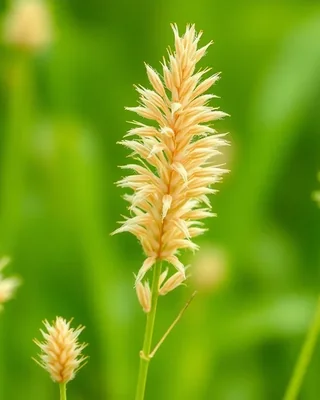
Pearl Millet (Wild)
Pennisetum glaucum (wild relatives) — Poaceae
Italiano: Miglio perlato selvatico
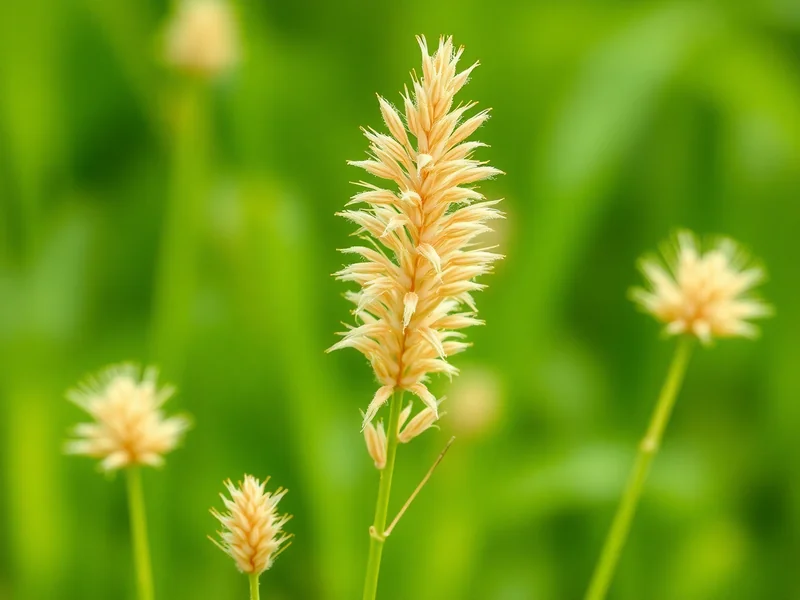
Description
Ancient African cereal staple; wild relatives still harvested. Drought-hardy grain of the Sahel.
Edibility
7/10
Toxicity: Goitrogen if uncooked; always cook thoroughly
Antinutrients: Minimal
Safe lookalikes: Similar edible species
Dangerous: Verify identification before consumption
Harvest Calendar
JanFebMarAprMayJunJulAugSepOctNovDec
Edible parts: Chicchi, Germogli
Preparation: Grind grain; boil in water to make porridge or steam for couscous
Flavor: Mild, slightly nutty cereal grain
Nutrition (per 100g)
Protein: 2.0g
Fat: 0.5g
Fiber: 3.0g
Vitamin C: 20.0mg (22%DV)
Vitamin A: 50mcg (5%DV)
Vitamin E: 1.0mg (6%DV)
Vitamin K: 30mcg (25%DV)
Folate (B9): 20mcg (5%DV)
Calcium: 30.0mg (2%DV)
Iron: 2.0mg (11%DV)
Magnesium: 20mg (4%DV)
Potassium: 200mg (4%DV)
Zinc: 0.3mg (2%DV)
Culinary Uses: Porridges, Flatbreads (roti), Beer Storage: Refrigerate fresh parts
Recipes
- Cook into thick porridge with water and yogurt
Where It Grows
Continent: Africa
Regions: Africa
Habitat: Sahel, dry savanna
Important: Always verify plant identification before consumption.
This content is for informational purposes only. Consult reliable sources and
experts before eating any wild plant. Improper identification can be dangerous.