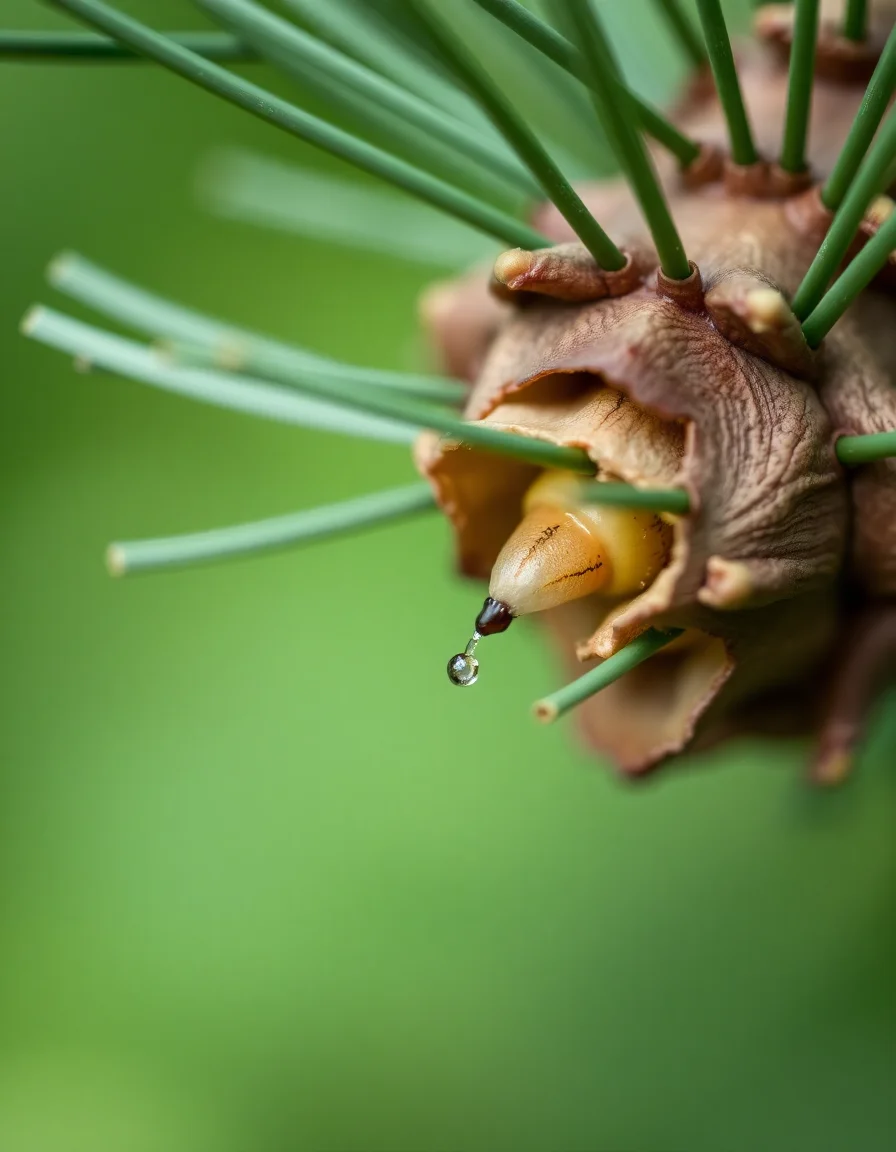
Scots Pine
Pinus sylvestris — Pinaceae
Italiano: Pino silvestre — Pino
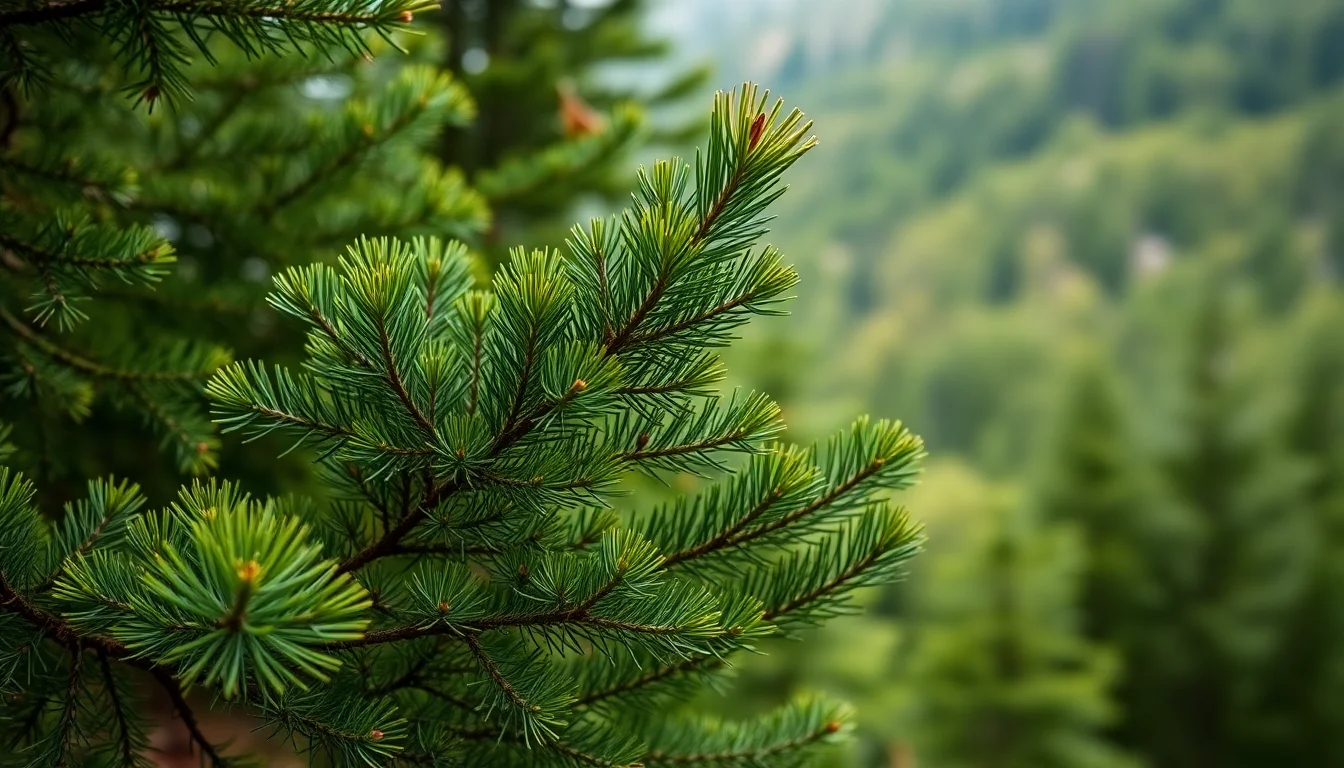
Description
Scots Pine (Pinus sylvestris) belongs to the Pinaceae family and is native to Europe. It thrives in Mountain forests, Sandy hills, Arid soils environments across regions including Italy_North, France, Germany, Scandinavia, UK, Alps. Botanically, Scots Pine is needles rich vitamin C tea. Inner bark flour. Pollen supplement.. It is also known locally as Pino. The edible parts include Needles, Inner bark, Pollen. With an edibility rating of 5/10, it ranks as a moderate wild food source. Harvesting is best done during April, August, December, February, January, July, June, March, May, November, October and September. Nutritionally, Scots Pine stands out for its Vitamin C (130.0mg, 144% DV), Vitamin K (53.0mg, 44% DV) and Iron (0.6mg, 3% DV). It also provides 1.4g protein and 2.0g dietary fiber per 100g serving. In the kitchen, Scots Pine offers a Pine resinous fresh flavor profile. Needle tea dried bark pollen. Common culinary applications include needle tea, needle honey, bark powder. Popular preparations include Pine needle tea, Pine needle honey, Herb infusion tea, Fresh herb salad dressing. For storage, dried needles 12mo. Safety note: No toxicity. Avoid Yew. Antinutrient content is resins non-toxic unpleasant large. Be aware that Yew Taxus baccatus TOXIC flat needles. Safe lookalike species include Spruce. Always verify identification with at least three independent botanical sources before consumption.
🌿 Foraging Tips
🍳 Recipe: Pine needle tea
This is one of the traditional ways to prepare this wild edible plant. Always ensure proper plant identification before cooking.
Edibility
Harvest Calendar
Nutrition (per 100g)
Culinary Uses: needle tea, needle honey, bark powder Storage: Dried needles 12mo
Recipes
- Pine needle tea
- Pine needle honey
- Herb infusion tea
- Fresh herb salad dressing
- Herb flavored oil
- Wild winter pesto made from Scots Pine
- Traditional Scots Pine soup
- Scots Pine and potato frittata