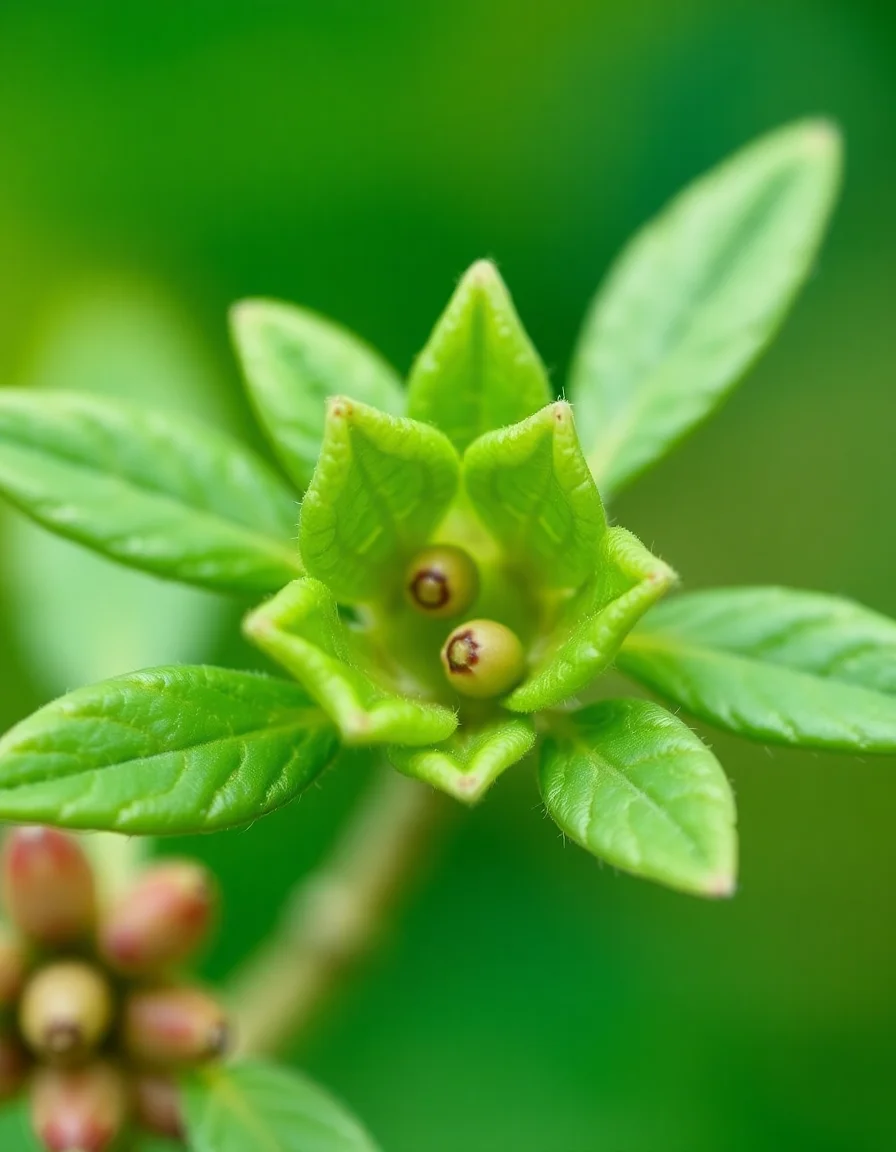
Shepherd Purse
Capsella bursa-pastoris — Brassicaceae
Italiano: Borsa del pastore — Herba crucis
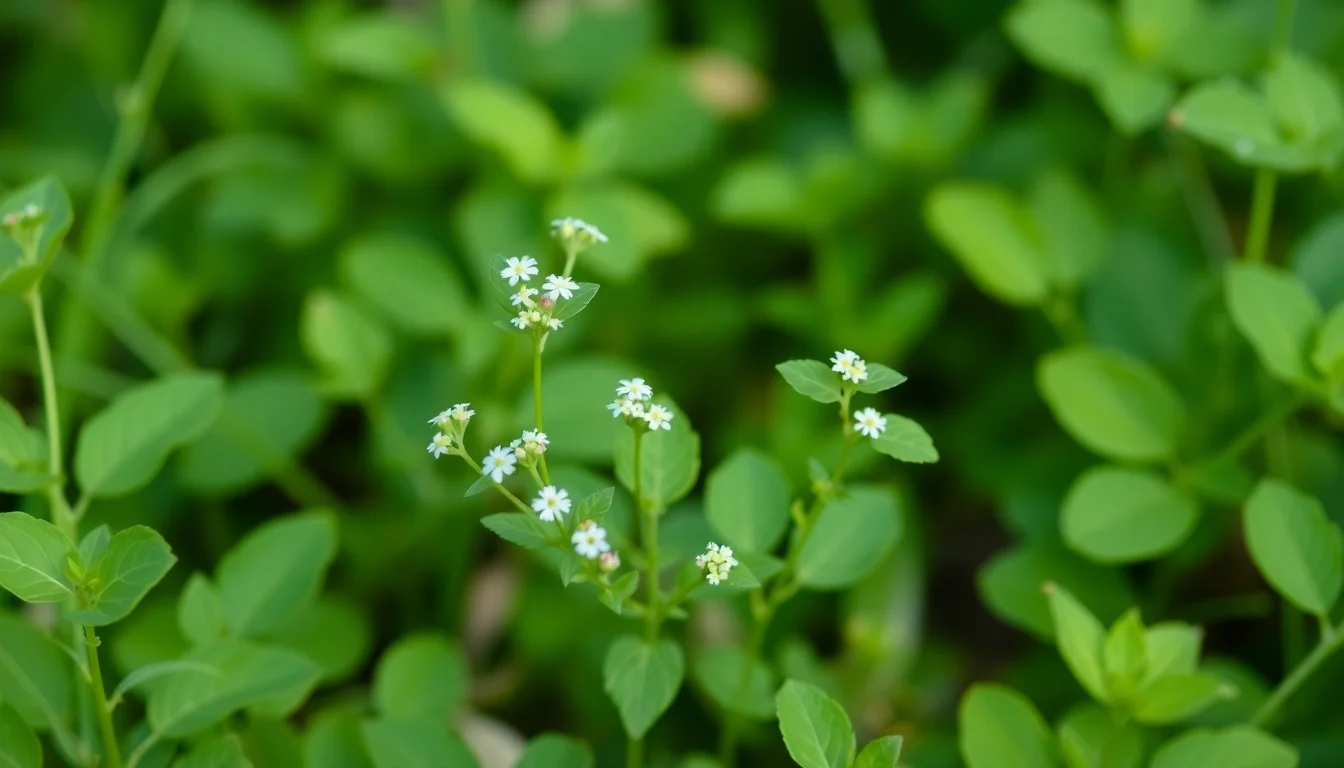
Description
Shepherd Purse (Capsella bursa-pastoris) belongs to the Brassicaceae family and is native to Europe. It thrives in Gardens, Fields, Orchards, Roadsides environments across regions including Italy, France, Spain, Germany, UK. Botanically, Shepherd Purse is leaves salad soup. Seeds spice. Young pods vegetable.. It is also known locally as Herba crucis. The edible parts include Leaves, Seeds, Seed pods. With an edibility rating of 6/10, it ranks as a good wild food source. Harvesting is best done during April, December, February, January, March, November, October and September. Nutritionally, Shepherd Purse stands out for its Vitamin K (250.0mg, 208% DV), Vitamin C (20.0mg, 22% DV) and Vitamin A (150.0mg, 17% DV). It also provides 2.5g protein and 2.5g dietary fiber per 100g serving. In the kitchen, Shepherd Purse offers a Peppery mustard flavor profile. Raw boiled seeds dry. Common culinary applications include salad, soup, seed spice. Popular preparations include Shepherd purse soup, Toasted seed snack, Seed flour bread, Seed dressing granola. For storage, fresh 3d. Safety note: No toxicity. Antinutrient content is no antinutrients. Safe lookalike species include Mustard cress. Always verify identification with at least three independent botanical sources before consumption.
🌿 Foraging Tips
🍳 Recipe: Shepherd purse soup
This is one of the traditional ways to prepare this wild edible plant. Always ensure proper plant identification before cooking.
Edibility
Harvest Calendar
Nutrition (per 100g)
Culinary Uses: salad, soup, seed spice Storage: Fresh 3d
Recipes
- Shepherd purse soup
- Toasted seed snack
- Seed flour bread
- Seed dressing granola
- Wild winter pesto made from Shepherd Purse
- Traditional Shepherd Purse soup
- Shepherd Purse and potato frittata