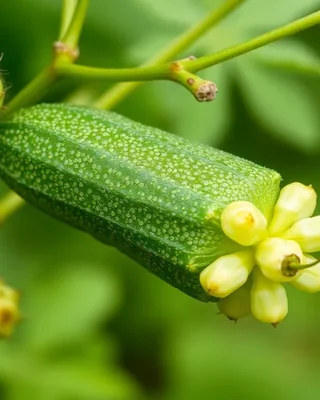
Wild Cucumber (African)
Cucumis africanus — Cucurbitaceae
Italiano: Cetriolo selvatico africano
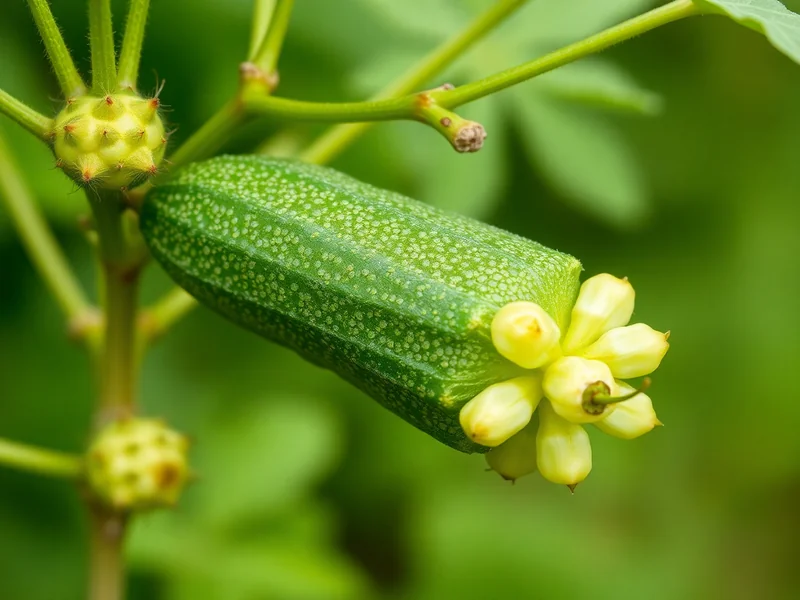
Description
Wild African gourd relative with small bitter-sour fruits used in traditional medicine and occasionally food.
Edibility
4/10
Toxicity: Contains cucurbitacins — NOT for casual eating; medicinal processing only
Antinutrients: Minimal
Safe lookalikes: Similar edible species
Dangerous: Verify identification before consumption
Harvest Calendar
JanFebMarAprMayJunJulAugSepOctNovDec
Edible parts: Frutti (trattati)
Preparation: Traditional preparation by healers only
Flavor: Bitter, astringent, cucumber-like
Nutrition (per 100g)
Protein: 2.0g
Fat: 0.5g
Fiber: 3.0g
Vitamin C: 20.0mg (22%DV)
Vitamin A: 50mcg (5%DV)
Vitamin E: 1.0mg (6%DV)
Vitamin K: 30mcg (25%DV)
Folate (B9): 20mcg (5%DV)
Calcium: 30.0mg (2%DV)
Iron: 1.0mg (5%DV)
Magnesium: 20mg (4%DV)
Potassium: 200mg (4%DV)
Zinc: 0.3mg (2%DV)
Culinary Uses: Traditional medicine, Occasionally cooked Storage: Refrigerate fresh parts
Recipes
- NOT for consumption without expert preparation
Where It Grows
Continent: Africa
Regions: Africa
Habitat: Dry grassland, savanna
Important: Always verify plant identification before consumption.
This content is for informational purposes only. Consult reliable sources and
experts before eating any wild plant. Improper identification can be dangerous.