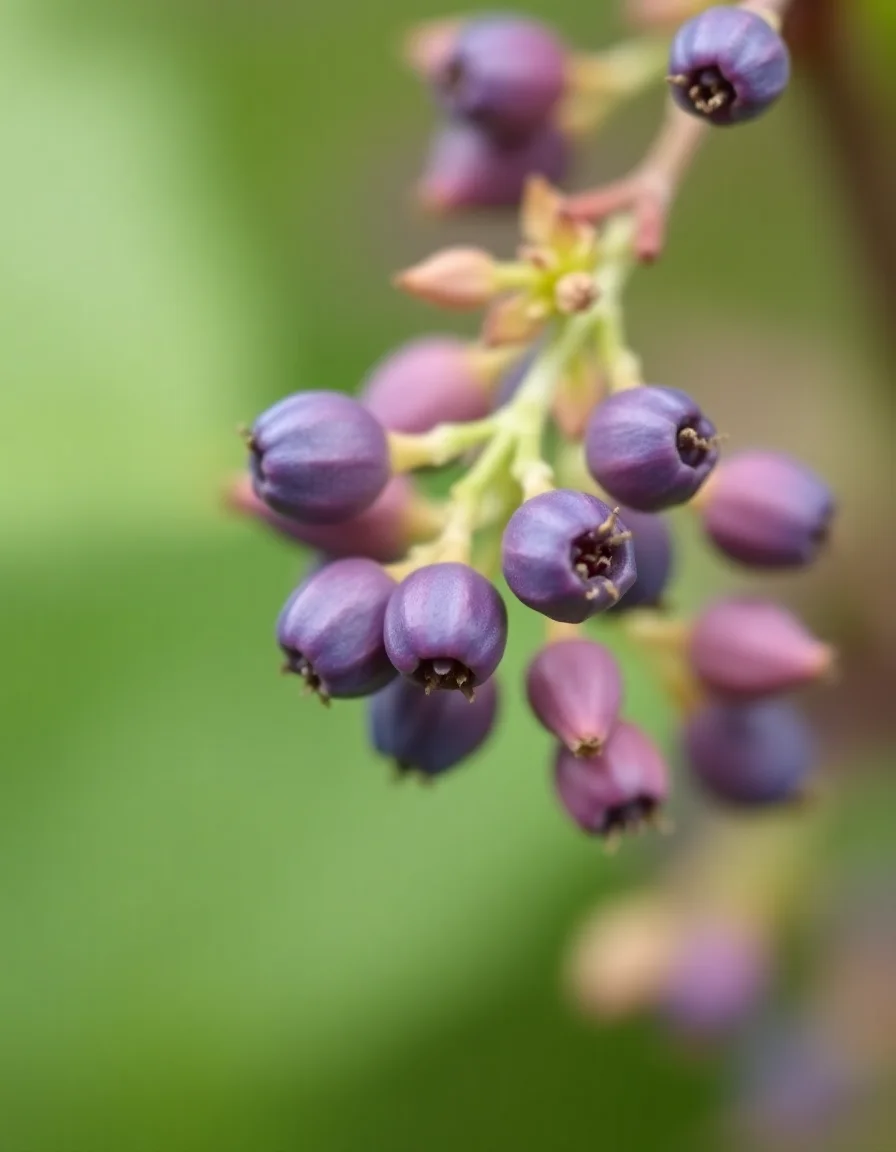
Honeyberry
Lonicera caerulea — Caprifoliaceae
Italiano: Caprifoglio — Haskap
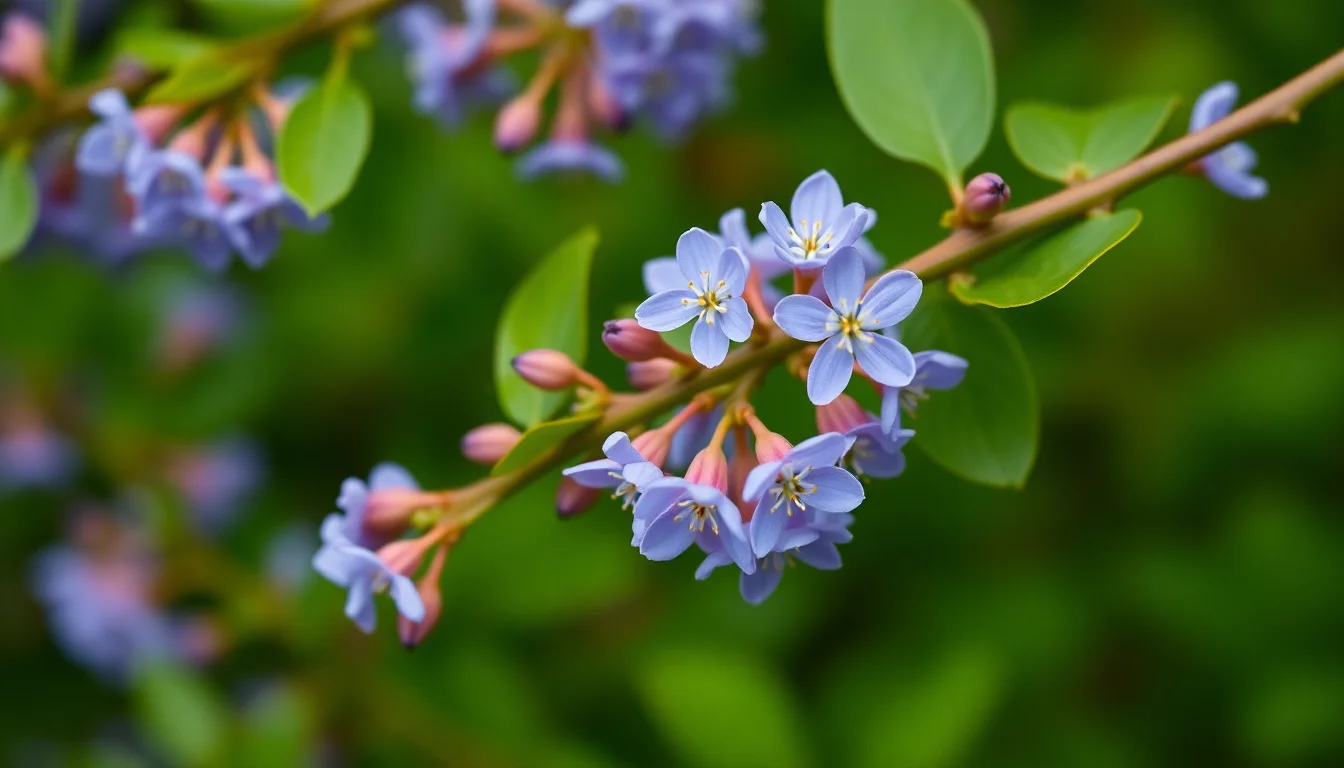
Description
Honeyberry (Lonicera caerulea) belongs to the Caprifoliaceae family and is native to Asia. It thrives in Mountain valleys, Cool moist areas, Boreal forests environments across regions including Japan, China, Korea, Siberia. Botanically, Honeyberry is sweet-tart blue berries. Like blueberry honeysuckle hybrid.. It is also known locally as Haskap. The edible parts include Berries. With an edibility rating of 8/10, it ranks as an excellent wild food source. Harvesting is best done during July and June. Nutritionally, Honeyberry stands out for its Vitamin C (35.0mg, 39% DV), Vitamin K (5.0mg, 4% DV) and Iron (0.5mg, 3% DV). It also provides 0.5g protein and 1.5g dietary fiber per 100g serving. In the kitchen, Honeyberry offers a Sweet-tart flavor profile. Raw jam juice. Common culinary applications include raw, jam, juice. Popular preparations include Hasy juice, Hasy jam, Fresh berry compote, Wild berry jam. For storage, fresh 3d. Safety note: No toxicity. Antinutrient content is tannins light. Safe lookalike species include Blueberry. Always verify identification with at least three independent botanical sources before consumption.
🌿 Foraging Tips
🍳 Recipe: Hasy juice
This is one of the traditional ways to prepare this wild edible plant. Always ensure proper plant identification before cooking.
Edibility
Harvest Calendar
Nutrition (per 100g)
Culinary Uses: raw, jam, juice Storage: Fresh 3d
Recipes
- Hasy juice
- Hasy jam
- Fresh berry compote
- Wild berry jam
- Berry syrup for pancakes
- Stir-fried Honeyberry
- Honeyberry tempura
- Honeyberry and tofu soup