Jussara
Euterpe edulis — Arecaceae
Italiano: Palmito Jussara / Açaí do sul
Description
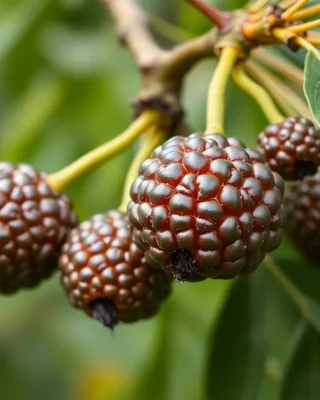
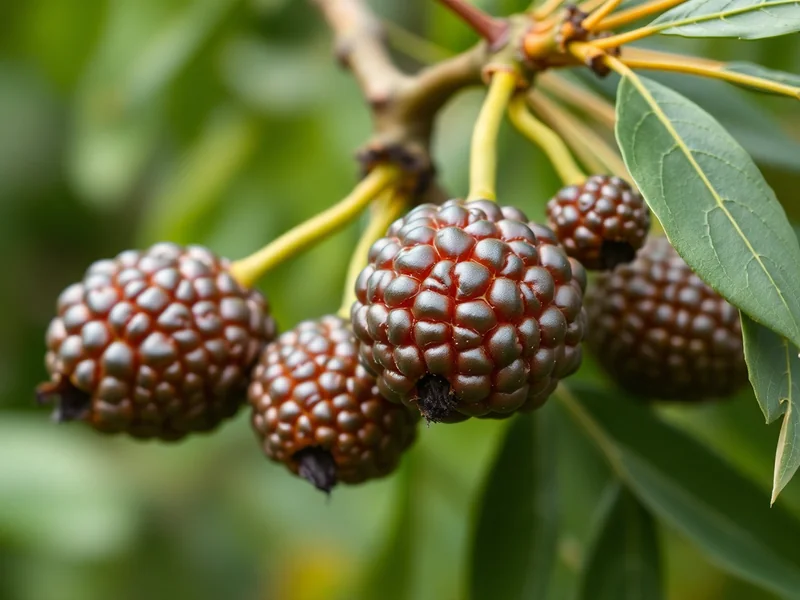
Jussara (Euterpe edulis) belongs to the Arecaceae family and is native to SouthAmerica. It thrives in Atlantic forest, coastal rainforest environments across regions including SouthAmerica. Botanically, Jussara is southeastern Brazilian palm closely related to açaí. Produces purple fruits and the most prized palm heart in Brazil.. The edible parts include Fruit pulp, Palm heart. With an edibility rating of 7/10, it ranks as a good wild food source. Harvesting is best done during April, February, July, June, March and May. Nutritionally, Jussara stands out for its Vitamin K (30.0mg, 25% DV), Vitamin C (20.0mg, 22% DV) and Vitamin E (1.0mg, 7% DV). It also provides 2.0g protein and 3.0g dietary fiber per 100g serving. In the kitchen, Jussara offers a Fruits: mild açaí-like; palm heart: delicate, tender, nutty flavor profile. Fruits: soak and blend; palm heart: only from sustainable sources. Common culinary applications include Juice, Açaí-like bowls, Palm heart salads, Stews. Popular preparations include Blend fruits for juice; or use canned palm heart in salads. For storage, refrigerate fresh parts. Safety note: Palm heart harvest is often unsustainable; choose legally sourced or cultivated ONLY. Antinutrient content is minimal. Be aware that Verify identification before consumption. Safe lookalike species include Similar edible species. Always verify identification with at least three independent botanical sources before consumption.
🌿 Foraging Tips
🍳 Recipe: Blend fruits for juice; or use canned palm heart in salads
This is one of the traditional ways to prepare this wild edible plant. Always ensure proper plant identification before cooking.
Edibility
Harvest Calendar
Nutrition (per 100g)
Culinary Uses: Juice, Açaí-like bowls, Palm heart salads, Stews Storage: Refrigerate fresh parts
Recipes
- Blend fruits for juice; or use canned palm heart in salads