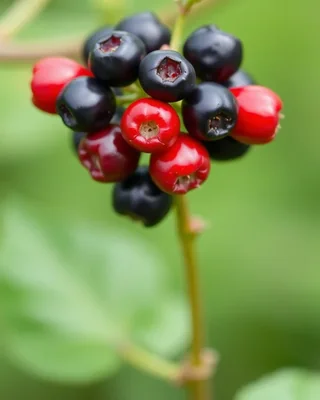
Mortiño
Vaccinium floribundum — Ericaceae
Italiano: Mortiño / Mirtillo andino
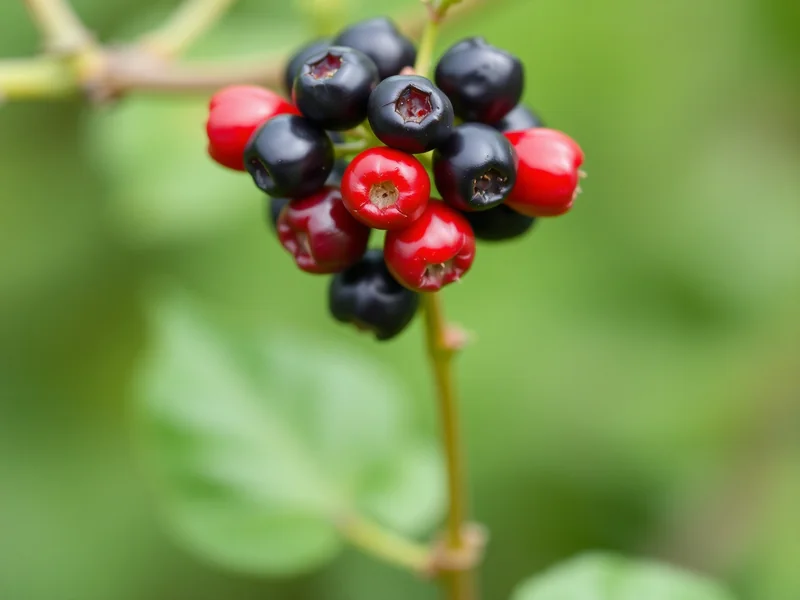
Description
Tall Andean shrub producing abundant small dark blue-purple berries in high-altitude páramo and cloud forest.
Edibility
8/10
Toxicity: None significant; widely consumed in Ecuador and Colombia
Antinutrients: Minimal
Safe lookalikes: Similar edible species
Dangerous: Verify identification before consumption
Harvest Calendar
JanFebMarAprMayJunJulAugSepOctNovDec
Edible parts: Bacche
Preparation: Pick ripe berries; cook with spices and sugar; strain and drink hot
Flavor: Sweet-tart, blueberry-like, slightly resinous
Nutrition (per 100g)
Protein: 2.0g
Fat: 0.5g
Fiber: 3.0g
Vitamin C: 45.0mg (50%DV)
Vitamin A: 50mcg (5%DV)
Vitamin E: 1.0mg (6%DV)
Vitamin K: 30mcg (25%DV)
Folate (B9): 20mcg (5%DV)
Calcium: 30.0mg (2%DV)
Iron: 1.0mg (5%DV)
Magnesium: 20mg (4%DV)
Potassium: 200mg (4%DV)
Zinc: 0.3mg (2%DV)
Culinary Uses: Fresh eating, Jams, Pies, Syrups, Colada morada Storage: Refrigerate fresh parts
Recipes
- Cook berries with panela and cinnamon for colada morada
Where It Grows
Continent: SouthAmerica
Regions: SouthAmerica
Habitat: Andean páramo, cloud forest, 2500-4000m
Important: Always verify plant identification before consumption.
This content is for informational purposes only. Consult reliable sources and
experts before eating any wild plant. Improper identification can be dangerous.