Pepino Dulce
Solanum muricatum — Solanaceae
Italiano: Pepino dolce / Melone peruviano
Description
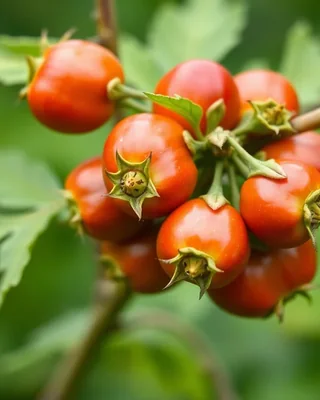
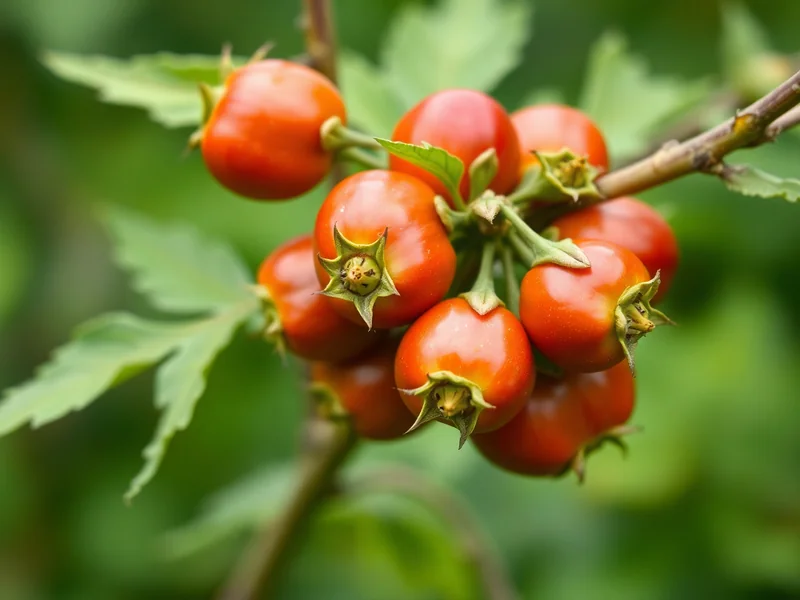
Pepino Dulce (Solanum muricatum) belongs to the Solanaceae family and is native to SouthAmerica. It thrives in Andean valleys, subtropical slopes, 1500-2700m environments across regions including SouthAmerica. Botanically, Pepino Dulce is andean melon-pear producing purple-striped or golden egg-shaped fruits with a mild sweet cucumber-melon flavor.. The edible parts include Fruits. With an edibility rating of 7/10, it ranks as a good wild food source. Harvesting is best done during April, August, July, June, May and September. Nutritionally, Pepino Dulce stands out for its Vitamin C (45.0mg, 50% DV), Vitamin K (30.0mg, 25% DV) and Vitamin E (1.0mg, 7% DV). It also provides 2.0g protein and 5.0g dietary fiber per 100g serving. In the kitchen, Pepino Dulce offers a Mild, sweet, cucumber-melon-honeydew, refreshing flavor profile. Wait until slightly soft; peel purple stripes; slice; eat raw. Common culinary applications include Fresh eating, Fruit salads, Juice, Desserts. Popular preparations include Peel skin; slice; eat in fruit salad with melon and mint. For storage, refrigerate fresh parts. Safety note: Unripe fruit can be slightly toxic (solanine); eat only when fully colored and yielding. Antinutrient content is minimal. Be aware that Verify identification before consumption. Safe lookalike species include Similar edible species. Always verify identification with at least three independent botanical sources before consumption.
🌿 Foraging Tips
🍳 Recipe: Peel skin; slice; eat in fruit salad with melon and mint
This is one of the traditional ways to prepare this wild edible plant. Always ensure proper plant identification before cooking.
Edibility
Harvest Calendar
Nutrition (per 100g)
Culinary Uses: Fresh eating, Fruit salads, Juice, Desserts Storage: Refrigerate fresh parts
Recipes
- Peel skin; slice; eat in fruit salad with melon and mint