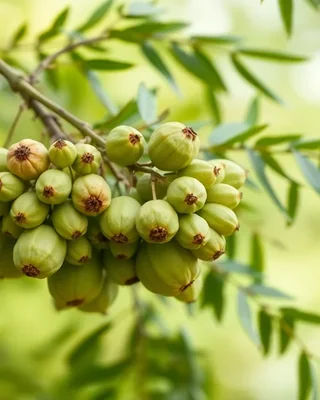
Albero del burro di karité
Vitellaria paradoxa — Sapotaceae
English: Shea Tree
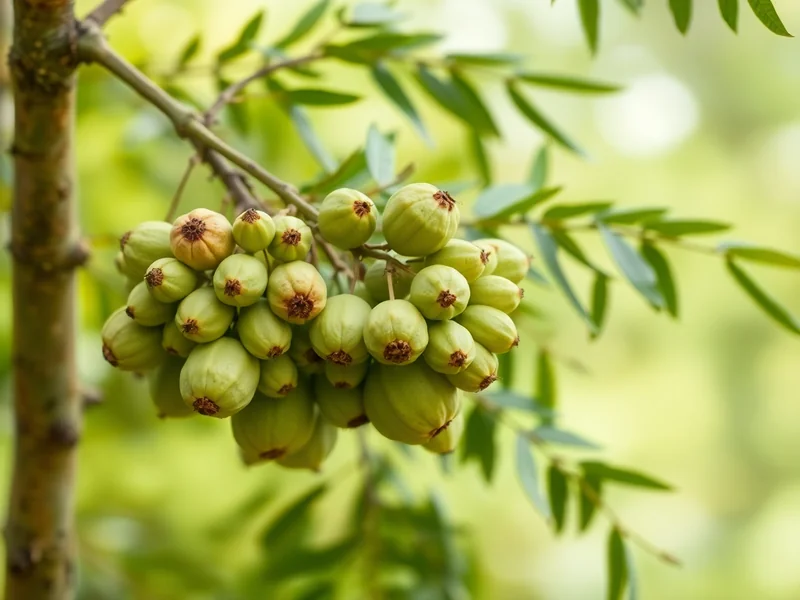
Descrizione
West African tree producing fat-rich nuts that are the source of shea butter. Also yields edible sweet fruit pulp.
Edabilità
6/10
Toxicity: Nut processing labor-intensive; commercial shea is boiled
Antinutrients: Minimal
Safe lookalikes: Similar edible species
Dangerous: Verify identification before consumption
Calendario Raccolta
GenFebMarAprMagGiuLugAgoSetOttNovDic
Edible parts: Polpa del frutto, Noci/burro
Preparation: Fruit eaten fresh; nuts boiled, dried, cracked, roasted, ground, churned into butter
Flavor: Sweet buttery fruit; rich nutty butter
Nutrizione (per 100g)
Proteine: 2.0g
Grassi: 0.5g
Fibre: 3.0g
Vitamina C: 45.0mg (50%DV)
Vitamina A: 50mcg (5%DV)
Vitamina E: 1.0mg (6%DV)
Vitamina K: 30mcg (25%DV)
Folato (B9): 20mcg (5%DV)
Calcio: 30.0mg (2%DV)
Ferro: 1.0mg (5%DV)
Magnesio: 20mg (4%DV)
Potassio: 200mg (4%DV)
Zinco: 0.3mg (2%DV)
Usi Culinari: Fresh fruit, Shea butter, Oil Conservazione: Refrigerate fresh parts
Ricette
- Eat fresh fallen fruit; collect and process nuts for butter
Dove Cresce
Continente: Africa
Regioni: Africa
Habitat: Savanna, woodland parklands
Importante: Verifica sempre l'identificazione della pianta prima del consumo.
Questo contenuto è solo a scopo informativo. Consulta fonti attendibili e esperti prima
di mangiare qualsiasi pianta selvatica. Un'identificazione errata può essere pericolosa.